
 By Ammar Ibrar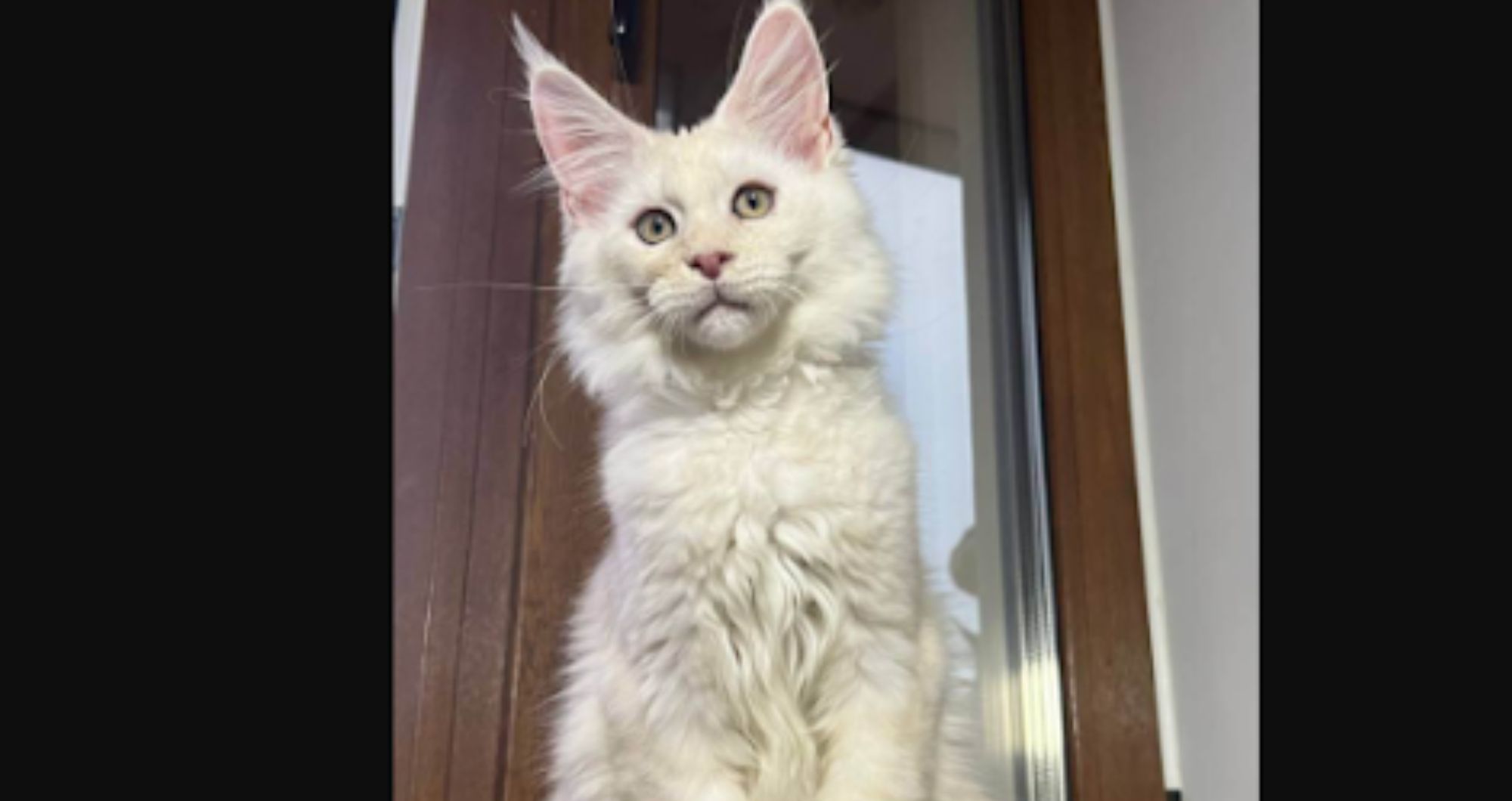
Handbags got smaller. Watches got stealthier. Status didn’t disappear, it shape-shifted into something warmer, fluffier, and far more Instagrammable. Right now, the most conspicuous luxury across London postcodes isn’t parked outside, it’s asleep on the sofa. Pedigree pets have become the new flex across UK lifestyle culture, and not in a tacky way. Done right, it telegraphs taste, discernment, and care. Done badly? It screams cash-before-welfare. Don’t be that person.
Why now? The culture moved
Post-lockdown, the “fur baby” trend didn’t fade; it matured. People traded impulse adoptions for waitlists, breed clubs, and “tell me about the bloodlines” conversations. Social feeds sealed it, celebs to micro-influencers showing elegant British Shorthairs on boucle chairs, gentle Ragdolls padding through Notting Hill flats, and yes, those colossal Maine Coons photobombing Sunday roasts. Scarcity nudges prestige. Health paperwork turns into social currency. Oddly specific? Exactly.
Curious what champion titles and health guarantees look like when a seller actually does it properly? Have a quick look at MeoWoff Maine Coon kittens and note how they lay out testing, pedigrees, and contracts, then bring that level of expectation to any breeder you consider, UK or otherwise.
Pedigree vs designer vs crossbreed, quick decode
- Pedigree/purebred: Registered lineage that meets an official standard (GCCF for cats, The Kennel Club for dogs). Papers, titles, testing, traceable.
- Designer: Intentional crosses (e.g., Cockapoo). Cute, yes. “Pedigree”? No.
- Crossbreed/moggy: Mixed ancestry, often healthier genetics and fewer vanity traps. Zero fuss about papers, lots of charm.
Breeds that signal taste (and what that actually signals)
Maine Coon
Huge, social, chatty; the poster cat for subtle luxury right now. Those tufted ears and lion paws do half the talking; the rest is grooming, genetics, and a calm, confident temperament that plays nicely with city life, if you have space and a lint roller. Long coats need discipline. Your hoover will hate you. Worth it.
British Shorthair
That plush teddy-bear look. Unfussy, apartment-friendly, and aikido-level chill. Feels classic rather than try-hard. Highly “London.”
Ragdoll, Persian, Bengal, Scottish Fold
Ragdolls melt in your arms; Persians demand regular grooming and careful eye care; Bengals bring wild-type energy and pattern drama; Folds carry ear cartilage quirks, so welfare scrutiny goes high. Aesthetic isn’t the whole story, welfare always knocks first.
How the status game actually works
Scarcity, paperwork, and show history, those are the levers. Champion bloodlines aren’t just posh words; they’re a shorthand for conformation quality and breeder seriousness. Titles like Champion, Grand Champion, International Champion signal peers have judged the animal against a standard. You’re paying for predictability, temperament, type, health oversight. Predictability is expensive. Cheap can be costly.
The UK paperwork reality (cats)
- Registration: GCCF is the UK norm. TICA and CFA papers are widely recognised; many UK breeders use them. Make sure transfer/registration into your name is part of the deal.
- Pedigree certificate: Names, titles, cattery prefixes. Cross-check parents’ IDs and any titles online or with the registry.
- Health testing: For Maine Coons, HCM, PKD, and SMA. Ask for DNA/echo reports and parents’ results. No proof, no sale.
- Microchipping: England now mandates microchipping for cats over 20 weeks, with keeper details kept up to date. Fines apply if you ignore it.
- Contract: Neuter/spay terms, return clause, health guarantee, what happens if your situation changes. A responsible breeder writes like a grown-up.
Cost snapshot: the part people whisper about
Sticker price is just the opener. The ongoing bill is where lifestyles sink or swim.
- Purchase: Pedigree cats commonly command four figures in the UK, moving higher for show-quality and rare colours. Big titles usually bump price.
- Insurance: Pedigree status and breed risk profile drive premiums. Disclose everything accurately, nondisclosure can shred cover when you need it.
- Healthcare: Annual vaccines, parasite control, dental, the odd “they swallowed a ribbon” drama. Budget for emergencies, always.
- Grooming & gear: Long-hair breeds need regular comb-throughs, pro grooming at times, quality nutrition, and tall, heavy-duty scratch posts (looking at you, Maine Coon).
- Time: Enrichment, play, training, socialisation. No budget line item covers neglect.
Ethics: how to flex without being a walking PR disaster
“Adopt don’t shop” will come up. Fair point, rescues are full of brilliant animals, including ex-breeding pedigrees. If you buy, prove you care about welfare more than clout: transparent breeder, health testing, realistic expectations, lifetime support. If the breeder refuses questions or pushes for same-day pickup, walk.
Red flags you don’t argue with
- No viewing of mum (or mum appears… swapped). Hard no.
- Papers “in the post.” They should be ready or verifiable.
- Cash-only, no contract, pressure tactics. Leave.
- Too many litters at once, different breeds piled together, location shifting. Feels like a farm? It is.
- Photos recycled from other ads, stock imagery, or weirdly glossy for a home environment. Reverse-image search is your friend.
Maine Coon specifics: the big-cat-in-a-flat reality
They’re gentle giants with dog-like vibes, follow you around, “talk” to you, learn routines. That size means sturdier cat trees, wider litter trays, and more brushing. Expect seasonal shedding parties. Health-wise, you want clear evidence of HCM screening, plus PKD and SMA testing in the lines. Ask about hip scoring if available. Skip the line? You’ll pay for it later, either emotionally or financially.
Show titles and “champion bloodlines”, do they matter?
Yes, but not for bragging rights alone. Titles suggest conformation to breed standards and a breeder engaged with the wider community. They don’t guarantee perfect health or temperament; they do indicate someone cared enough to have peers assess their cats. Better than vibes-only.
Where to actually find reputable breeders
- Breed clubs and cat shows: Real people, real cats, real conversations. You learn more in ten minutes ringside than in hours of scrolling.
- GCCF/TICA-registered catteries with transparent websites: Health results, parent photos, titles, contracts, public and boringly clear. Boring is good.
- Referrals from owners you trust: People love talking about good experiences, and bad ones.
Importing vs buying local (UK reality check)
Can you import from the EU or US? Sure, if you enjoy admin and logistics. DEFRA rules, microchip, rabies vaccine, paperwork, transport standards, welfare during travel, the lot. Cargo versus cabin, airline policy, acclimation after arrival. Fees stack up fast. Unless you’ve got a very specific line or mentor breeder, local usually makes more sense for the cat and your sanity.
Insurance and disclosures that save future-you
Insurers aren’t daft. Put the correct breed and status on your policy, disclose known conditions, keep vet records tidy, and read the exclusions. Pedigree ownership without proper disclosure is just a very expensive gamble with admin.
London-living fit: flats, routines, and sanity
Big or long-haired breeds can work in apartments, if you’re intentional. Vertical space, window perches, puzzle feeders, short high-frequency play bursts. Maine Coons handle busy households well if they’re engaged; they sulk if ignored. Social creatures need… you. Or a second cat. Choose based on time, not just taste.
The graceful way to “signal”
Signal care, not scarcity. Mention your breeder’s health testing, not just colour genetics. Talk about the grooming routine you’ve stuck with, not the waitlist length. Post the enrichment setup, not just the price tag. People clock the difference.
Quick buyer toolkit
- Ask for registration (GCCF/TICA/CFA), parents’ pedigrees, and proof of HCM/PKD/SMA testing where relevant.
- Meet the litter with mum. Observe temperament, cleanliness, and socialisation cues.
- Read the contract. Neuter terms, returns, health guarantee, and transfer paperwork.
- Budget beyond purchase. Insurance, grooming, nutrition, enrichment, monthly realities.
- Walk away if anything feels rushed or vague. Your future self will thank you.
Pedigree pets as a UK status symbol isn’t just about looks; it’s about proof. Healthy lines, ethical practices, and a home that actually fits the breed. Get those right and your “status” reads as something rarer, competence with heart. Which never goes out of style.