
 By Allen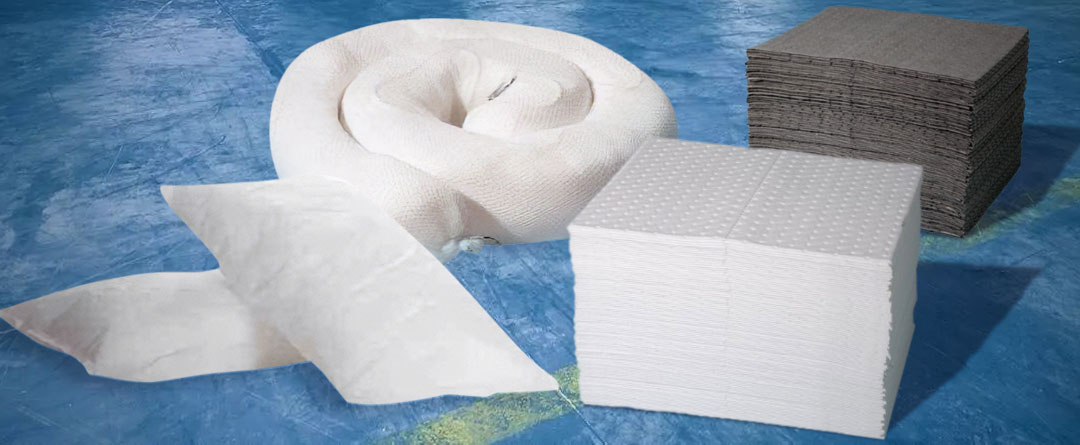
High-risk environments—like industrial sites, workshops, fuel storage areas, and marine settings—deal with oil every day. While oil is essential for many machines and operations, it also brings major risks. Even a small spill can lead to injuries, equipment damage, or environmental harm. That is why oil control is so important. One of the most effective tools for managing these spills is the oil-only absorbent pad.
Oil-only absorbent pads are designed to soak up oil and fuel while rejecting water. This special ability makes them essential in places where spills can happen fast. With safety standards rising and industries facing pressure to prevent accidents, these pads are more valuable than ever. They offer a quick, clean, and simple way to prevent small problems from turning into big emergencies.
Why Oil-Only Absorbent Pads Are Crucial Today
Rising Safety Standards Across Industrial Settings
Many industries are required to follow strict safety rules. These rules protect workers, prevent fires, and reduce harmful leaks. Because oil spills can cause slips, fires, and environmental damage, the need for fast cleanup tools is greater than ever. Oil-only absorbent pads help meet these safety requirements by giving workplaces a fast and reliable way to control spills.
Increased Use of Oil-Based Products
High-risk environments rely on oil for:
- Machinery
- Engines
- Fuel systems
- Hydraulic lines
- Marine operations
As oil use increases, so does the chance of leaks. Oil-only pads offer a way to manage these spills without slowing down operations.
Environmental Protection Is a Top Priority
Oil spills, even small ones, can harm land, water, and wildlife. Today, industries face strong pressure to reduce pollution and protect the environment. Because oil-only pads remove oil without soaking up water, they are effective in locations where spills can reach drains, soil, or water sources.
Faster Accident Response Saves Lives and Equipment
A spill that is ignored or cleaned slowly can cause:
- Worker injuries
- Fires
- Equipment damage
- Chemical reactions
Oil-only absorbent pads make cleanup quick and targeted, reducing these risks.
How Oil-Only Absorbent Pads Work
Hydrophobic Technology That Repels Water
Oil-only pads are made from hydrophobic fibers, usually meltblown polypropylene. These fibers repel water but absorb oil. This lets workers remove oil from:
- Wet floors
- Rainy outdoor areas
- Water surfaces
- Sinks or drains
This technology makes them perfect for marine environments or anywhere water and oil mix.
Fast Absorption for Immediate Spill Control
Oil-only pads absorb oil quickly. Their structure pulls oil deep into the fibers, so the surface stays dry and easy to handle. This reduces slip risks and prevents oil from spreading.
Lightweight Yet Highly Effective
These pads are light but hold large amounts of liquid. This makes them easy to store, transport, and use. Workers can place them under machinery, inside spill kits, or near fueling stations.
Designed for Both Small and Large Spills
Oil-only pads work well for:
- Minor drips
- Slow leaks
- Large spills
- Workplace maintenance
Their versatility keeps them useful in many situations.
Why Oil-Only Pads Are Better Than Universal Absorbents in Many Situations
Universal Pads Cannot Separate Oil From Water
Universal absorbents soak up everything—water, oil, and other liquids. When water is absorbed, the pad becomes heavy and fills quickly, leaving less room for oil. In wet environments, this becomes a major problem.
Oil-only pads avoid this issue by rejecting water.
Oil Spills on Water Require Specialized Materials
On docks, marinas, and ships, oil spills can spread quickly. Universal pads sink or soak everything, but oil-only pads float. They pull only the oil from the water surface, leaving the water behind.
Universal Pads Can Increase Waste
Because universal pads absorb all liquids, they often become soaked with harmless water. This adds extra weight, extra waste, and extra disposal costs. Oil-only pads reduce waste by absorbing only the spill material that matters.
Key Industries That Depend on Oil-Only Absorbent Pads
Industrial Plants and Manufacturing
Factories rely on oil-based machinery. Drips and leaks happen often. Oil-only pads:
- Catch leaks early
- Reduce slip hazards
- Protect equipment
- Prevent fire risks
They are used near engines, hydraulic systems, and moving parts.
Automotive Shops and Garages
Mechanics use oil-only pads for:
- Oil changes
- Brake fluid spills
- Motor oil leaks
- Transmission fluid cleanup
Pads keep the workspace clean and reduce downtime.
Marine and Dock Operations
Ships, boats, and docks regularly deal with fuel. Oil-only pads float, making them perfect for:
- Ship engine leaks
- Fuel spills on water
- Dockside refueling
- Harbor cleanup
Because the pads resist water, they stay effective even in rough conditions.
Construction Sites and Heavy Equipment
Construction tools and large machines use oil for power. Oil-only pads help control:
- Equipment leaks
- Hydraulic failures
- Fuel drips
- Temporary storage spills
They protect soil and ground surfaces from contamination.
Warehouses and Logistics Centers
Forklifts and loading machines can leak oil. Oil-only pads help maintain safe walkways and prevent accidents.
How Oil-Only Pads Improve Workplace Safety
Reducing Slip-and-Fall Accidents
Oil on the floor is one of the biggest workplace hazards. Slippery surfaces cause injuries that can stop operations and create legal problems. Oil-only pads keep floors dry and safe.
Lowering Fire Risks
Oil is flammable. Spills near electrical equipment, machines, or heat sources can be dangerous. Oil-only pads remove this danger by absorbing the oil quickly.
Protecting Soil and Water
Oil spills can contaminate:
- Groundwater
- Soil
- Drains
- Rivers
By using oil-only pads, workplaces protect the environment and avoid fines.
Supporting OSHA and Safety Compliance
Many safety guidelines require companies to:
- Control spills immediately
- Use proper absorbent materials
- Keep emergency kits available
Oil-only pads help workplaces stay compliant and prepared.
Benefits of Using Oil-Only Absorbent Pads
Cleaner Workspaces
Because these pads grab oil fast, workplaces stay clean and organized. This gives employees a safer and more comfortable environment.
Lower Cleanup Costs
Oil-only pads reduce cleanup time. They also reduce the amount of waste created since they absorb only oil and not water. This lowers disposal costs.
Easier Storage and Use
Pads are thin and lightweight. They fit inside:
- Spill kits
- Toolboxes
- Shelves
- Emergency stations
Workers can grab them quickly during a spill.
Reusable in Some Situations
Some oil-only pads can be wrung out and reused for non-hazardous spills. This provides extra value and reduces waste.
Choosing the Right Oil-Only Absorbent Pad
Matching Pad Weight to Spill Size
Oil-only pads come in:
- Light-weight
- Medium-weight
- Heavy-weight
Light pads work well for drips, while heavy pads handle large spills.
Understanding Fiber Density
High-density pads absorb oil faster and hold more. Low-density pads are better for quick wipe-ups.
Size Considerations
Pads are available in different:
- Lengths
- Widths
- Thickness levels
Larger pads cover more space and are better for big leaks.
Roll vs Pad Format
Oil-only absorbent rolls are ideal for lining walkways or placing under machines. Individual pads work best for spot spills.
How Workplaces Can Implement Oil-Only Pad Systems
Placing Pads in High-Risk Areas
Pads should be kept near:
- Fueling areas
- Pump stations
- Machinery
- Loading docks
- Parking areas
Accessible placement reduces response time.
Adding Pads to Spill Response Kits
Every spill kit should include oil-only pads along with:
- Gloves
- Disposal bags
- Instruction guides
- Safety tools
This ensures a complete response system.
Training Employees
Workers should learn:
- When to use oil-only pads
- How to place them correctly
- How to dispose of them safely
Proper training prevents mistakes during emergencies.
Routine Maintenance
Pads should be checked and replaced regularly. Used pads should be removed promptly to avoid contamination risks.
Conclusion
Oil-only absorbent pads are more important now than ever before. High-risk environments face growing pressure to protect workers, meet safety standards, and prevent environmental damage. These pads provide a fast, reliable, and simple way to cleanup oil without absorbing water. Their unique design makes them powerful tools in industries such as marine operations, factories, construction sites, and automotive centers.
By understanding how oil-only absorbent pads work, where they are used, and why they matter, workplaces can stay safer and more efficient. With the right training, placement, and response plans, these pads help prevent accidents, protect equipment, and support a cleaner environment. As industry needs continue to grow, oil-only absorbent pads remain an essential tool for managing risk and maintaining smooth operations.