
 By George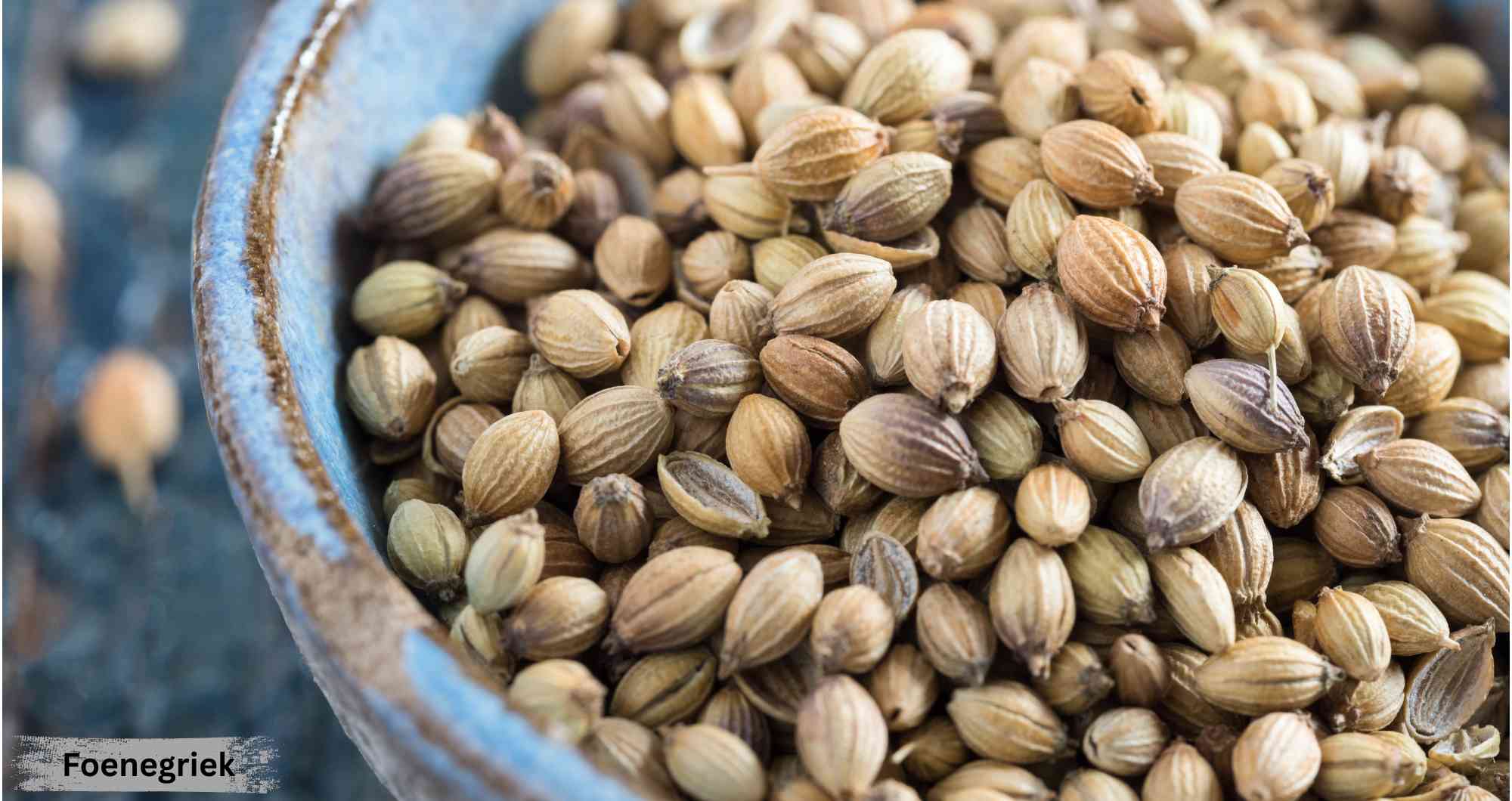
Foenegriek, more commonly known as fenugreek, is a remarkable herb that has captured the attention of health enthusiasts and culinary experts alike. With its unique flavor profile and impressive nutritional benefits, this ancient plant holds a prominent place in both traditional medicine and modern wellness practices. Originally hailing from the Mediterranean region, foenegriek has journeyed across continents to become a staple ingredient in various cuisines worldwide.
Not only does it add depth to dishes with its slightly sweet and nutty taste, but foenegriek also boasts an array of health benefits that can enhance well-being. From supporting blood sugar levels to aiding digestive health and nurturing hormonal balance in women, this powerhouse herb offers more than just culinary flair. Whether you’re looking to spice up your meals or tap into its medicinal properties, understanding what foenegriek brings to the table is essential for anyone interested in natural health solutions.
Join us as we explore the fascinating world of foenegriek: its history, nutritional value, key health benefits, common uses—and even potential side effects—so you can make informed choices about incorporating it into your lifestyle!
What Is Foenegriek (Fenugreek)?
Foenegriek, known as fenugreek in English, is a versatile herb belonging to the legume family. Its scientific name is Trigonella foenum-graecum, and it features distinctive clover-like leaves and small yellow flowers that give way to long pods filled with tiny seeds. These seeds are the most commonly used part of the plant for both culinary and medicinal purposes.
Originating from regions such as South Asia and the Mediterranean, foenegriek has been cultivated for thousands of years. It holds a significant place in traditional medicine systems like Ayurveda and Unani due to its multitude of health benefits. The flavor profile of fenugreek seeds is warm and slightly bitter, reminiscent of maple syrup or burnt sugar.
Culinary enthusiasts often use these seeds in various dishes, especially in Indian cuisine where they are essential ingredients in curries and spice blends. Additionally, fresh foenegriek leaves can be used as an aromatic addition to salads or cooked dishes.
Beyond its culinary appeal, this herb is rich in nutrients—including vitamins A, C, and several B vitamins—as well as minerals like iron and magnesium. This nutritional richness contributes significantly to its reputation as a health-boosting powerhouse.
Historical and Traditional Use of Foenegriek
Foenegriek, known as fenugreek in English, has a rich history that dates back thousands of years. This herb is believed to have originated in the Mediterranean region and parts of Asia. Its seeds were used not only for culinary purposes but also for medicinal practices.
Ancient Egyptians revered foenegriek for its health benefits. They utilized it to treat various ailments and included it in their embalming process due to its strong aroma. It was even mentioned in historical texts as an ingredient used by herbalists and healers.
In traditional Indian medicine, or Ayurveda, foenegriek plays a significant role. The seeds are often ground into powder and incorporated into many dishes. They are praised for their ability to balance different body doshas while promoting overall wellness.
Moreover, ancient Greeks recognized the value of foenegriek too. Hippocrates wrote about its potential healing properties, cementing its place in herbal remedies throughout history.
Today, foenegriek continues to be cherished worldwide for both culinary enhancement and therapeutic uses—showcasing its enduring legacy through generations.
Nutritional Value of Foenegriek Seeds
Foenegriek seeds, also known as fenugreek seeds, are tiny but packed with nutrition. They contain essential vitamins and minerals that contribute to overall health. Notably, these seeds are rich in B vitamins, including folate and vitamin B6, which play vital roles in energy metabolism.
A standout feature of foenegriek is its impressive mineral content. It contains significant amounts of iron, magnesium, phosphorus, and potassium. Iron helps maintain healthy blood circulation while magnesium supports muscle function and bone health.
The protein content in foenegriek seeds is remarkable too. These seeds offer a plant-based source of protein that can be beneficial for vegetarians and vegans looking to boost their intake. A serving provides around 20-30% protein by weight.
Additionally, foenegriek is high in dietary fiber. This aids digestion and helps regulate blood sugar levels by slowing down carbohydrate absorption after meals. The soluble fiber found in the seeds may also promote feelings of fullness.
Furthermore, they possess an array of antioxidants that combat oxidative stress within the body. Antioxidants help protect cells from damage caused by free radicals while promoting overall wellness.
Key Health Benefits of Foenegriek
Foenegriek, commonly known as fenugreek, offers an array of health benefits that make it a valuable addition to your diet. One of the most notable advantages is its ability to aid in blood sugar control. Research suggests that foenegriek may improve insulin sensitivity and help lower blood glucose levels, making it beneficial for individuals with diabetes.
Another impressive benefit lies in its high antioxidant content. These powerful compounds protect cells from oxidative stress and inflammation, which can contribute to chronic diseases. Regular consumption may promote overall health by reducing the risk of conditions like heart disease.
Foenegriek also shines when it comes to digestive health. It contains soluble fiber that aids digestion by promoting regular bowel movements and preventing constipation. This fiber acts as a prebiotic, supporting healthy gut bacteria.
For women’s health specifically, foenegriek has been traditionally used to alleviate menstrual discomfort and menopausal symptoms. The phytoestrogens present in these seeds may help balance hormones naturally.
This herb contributes positively to heart health by potentially lowering cholesterol levels. Studies indicate that incorporating foenegriek into your diet might lead to improved lipid profiles, thereby enhancing cardiovascular wellness.
Role of Foenegriek in Blood Sugar Control
Foenegriek, or fenugreek, has garnered attention for its potential role in managing blood sugar levels. This herb contains soluble fiber, which can slow down carbohydrate absorption and improve overall glucose tolerance.
Research indicates that foenegriek may enhance insulin sensitivity, allowing the body to utilize glucose more effectively. Several studies have shown promising results where participants experienced reduced fasting blood sugar levels after incorporating foenegriek into their diets.
The presence of compounds like 4-hydroxyisoleucine in foenegriek is believed to contribute significantly to its blood sugar-lowering effects. This compound helps stimulate insulin secretion from the pancreas when needed.
Incorporating foenegriek into meals may also benefit those with type 2 diabetes by moderating post-meal spikes in glucose levels. Its ability to modulate these fluctuations can lead to improved long-term glycemic control.
For individuals looking for natural methods to support their blood sugar management, adding foenegriek might be a valuable option worth considering alongside traditional treatments and dietary changes.
Digestive and Gut Health Benefits
Foenegriek is highly regarded for its numerous digestive benefits. The seeds contain soluble fiber, which plays a crucial role in promoting healthy digestion. This fiber helps to bulk up stool and facilitate smoother bowel movements, thus reducing the risk of constipation.
Additionally, Foenegriek can soothe gastrointestinal issues such as bloating and indigestion. Its anti-inflammatory properties may help calm an upset stomach and reduce discomfort caused by gas buildup. Many people find that incorporating it into their diet aids in alleviating these common ailments.
The mucilage content in Foenegriek seeds acts as a natural laxative. It can coat the lining of the intestines, providing relief from irritation while encouraging regularity. This makes it particularly beneficial for those suffering from irritable bowel syndrome (IBS).
Moreover, Foenegriek has been shown to promote a healthy gut microbiome. A balanced gut flora is essential for optimal digestion and overall health. By supporting beneficial bacteria growth, this herb contributes to improved nutrient absorption.
Its ability to regulate acidity levels within the stomach can prevent conditions like acid reflux or heartburn. These attributes make Foenegriek a valuable addition to any wellness routine focused on digestive health.
Foenegriek for Hormonal and Women’s Health
Foenegriek is gaining recognition for its potential benefits in hormonal and women’s health. This ancient herb contains phytoestrogens, which are plant compounds that mimic estrogen in the body. These compounds may help balance hormone levels, particularly for women experiencing menopause or menstrual irregularities.
Many studies suggest that foenegriek can alleviate symptoms associated with menopause, such as hot flashes and mood swings. By supporting hormone regulation, it may provide a natural alternative to traditional therapies. Women dealing with premenstrual syndrome (PMS) could also find relief from symptoms like bloating and irritability through its use.
Additionally, foenegriek has been linked to enhanced breast milk production in nursing mothers. The galactagogue properties of this herb promote lactation while ensuring mothers receive essential nutrients during breastfeeding.
This versatile seed is not only beneficial for hormonal balance but also supports reproductive health by promoting ovulation and regulating menstrual cycles. Its rich nutritional profile contributes to overall well-being during various life stages.
Incorporating foenegriek into daily routines can be an empowering choice for women seeking natural ways to manage their health effectively.
Heart Health and Cholesterol Support
Foenegriek, or fenugreek, offers notable benefits for heart health. Its seeds contain compounds that may help lower bad cholesterol levels while increasing good cholesterol. This balance is crucial for maintaining a healthy cardiovascular system.
Research indicates that the fiber content in foenegriek plays a vital role in this process. Soluble fiber can bind to cholesterol in the digestive system, preventing its absorption into the bloodstream. Over time, this may lead to lowered overall cholesterol levels and reduced risk of heart disease.
Additionally, foenegriek’s antioxidant properties contribute to heart health by combating oxidative stress and inflammation. These factors are often linked with chronic diseases, including heart-related conditions. By reducing these stresses on your body, foenegriek helps promote better cardiovascular function.
Moreover, studies have suggested that foenegriek might improve arterial health by enhancing blood flow and circulation. Good circulation is essential for delivering oxygen and nutrients throughout the body effectively.
Incorporating foenegriek into your diet could be a simple yet effective way to support your heart health naturally while managing cholesterol levels more efficiently.
Common Culinary and Medicinal Uses
Foenegriek, also known as fenugreek, is a versatile ingredient widely used in culinary traditions across the globe. Its seeds have a distinct flavor that adds warmth and depth to various dishes. Ground foenegriek can enhance spice blends, lending an earthy note to curries and stews.
In Indian cuisine, foenegriek leaves are popular in dishes like saag paneer and methi paratha. The seeds are often sprouted for salads or consumed as part of pickles. Their unique taste makes them an excellent addition to spice mixes such as panch phoron and garam masala.
Beyond cooking, foenegriek has been utilized for its medicinal properties for centuries. Traditional herbalists have recommended it for treating ailments like digestive issues and inflammation. Foenegriek tea made from the seeds is believed to soothe upset stomachs.
Its potential benefits extend into dietary supplements as well; many people take foenegriek extracts to support lactation in breastfeeding mothers. This adaptability makes it a valuable asset both in the kitchen and the medicine cabinet.
Furthermore, recent studies suggest that incorporating foenegriek into your diet could provide health benefits related to blood sugar control and cholesterol levels, making it even more appealing for health-conscious individuals.
Possible Side Effects and Safety Precautions
Foenegriek is generally considered safe for most people when consumed in moderate amounts. However, some individuals may experience side effects. Commonly reported issues include gastrointestinal discomfort, such as bloating and diarrhea. These symptoms often occur if foenegriek is taken in high doses or by those who are sensitive to it.
Pregnant women should exercise caution with foenegriek supplementation. While it may offer benefits during lactation, its use during pregnancy can potentially stimulate contractions and lead to premature labor. Consulting a healthcare provider before using this herb during pregnancy is advisable.
Individuals on medications for blood sugar control should also be careful with foenegriek. The herb has hypoglycemic effects that could enhance the impact of these medications, leading to overly low blood sugar levels. Regular monitoring of blood sugar levels is essential when incorporating foenegriek into your diet under these circumstances.
Allergic reactions are another consideration; some people might develop skin rashes or respiratory issues after exposure to fenugreek seeds or supplements. If you notice any unusual symptoms after consumption, it’s wise to discontinue use immediately.
As with any supplement, it’s crucial to consult a healthcare professional before adding foenegriek to your routine—especially if you have underlying health conditions or take other medications.
How to Consume Foenegriek Effectively
To enjoy the benefits of Foenegriek, there are several effective ways to incorporate it into your diet. The seeds can be consumed whole, ground into a powder, or taken in supplement form. Whole seeds have a slightly bitter flavor and can be added to dishes such as curries or stews for an aromatic touch.
Soaking the seeds overnight and consuming them on an empty stomach is another popular method that can enhance digestion and nutrient absorption. Ground Fenugreek powder is versatile; it can be mixed into smoothies, sprinkled on yogurt, or blended into baked goods.
For those preferring convenience, capsules or tablets provide an easy way to reap its health benefits without altering meals significantly. However you choose to consume Foenegriek, moderation is key—typically 1-2 teaspoons of whole seeds daily or around 500 mg of powdered supplements should suffice.
Always consult with a healthcare professional before starting any new dietary regimen, especially if you’re pregnant, nursing, or taking medications. This ensures that you use Foenegriek safely while maximizing its beneficial properties for better health and well-being.