
 By George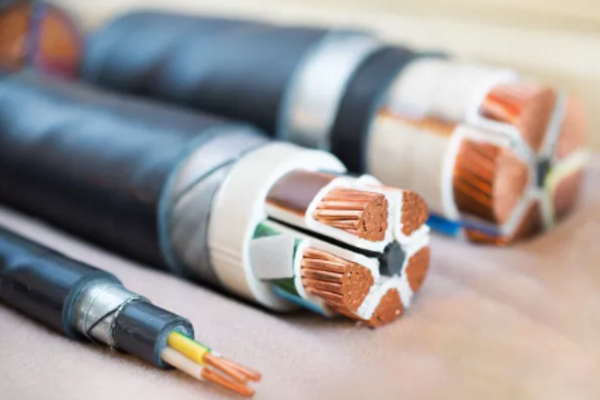
Electricity powers almost everything around us. From your home appliances to industrial machines, electrical systems depend on proper wiring to function safely and efficiently. But not all cables are created equal. Two major types dominate the electrical world: AC cable and DC cable.
You might have heard these terms before. AC stands for Alternating Current, while DC stands for Direct Current. The cables designed for these currents differ in structure, insulation, performance, and usage. Choosing the wrong cable can reduce efficiency, increase risks, and even damage equipment.
Understanding the difference between AC cable and DC cable is essential for electricians, engineers, solar installers, and even homeowners planning electrical projects. Each cable type is designed with specific properties to handle the characteristics of its current.
In simple words, AC changes direction periodically, while DC flows in one constant direction. That single difference changes everything about how cables are built and used.
In this guide, we will break down the differences in an easy-to-understand way. Whether you are selecting a DC Cable for a solar system or working with a 3/29 Cable in electrical installations, this article will help you make informed decisions.
Let’s start by understanding AC cables first.
What Is an AC Cable?
An AC cable is specifically designed to carry alternating current. In AC systems, the electrical current changes direction multiple times per second. In most countries, it alternates 50 or 60 times per second, depending on the frequency standard.
Because the current constantly reverses direction, the cable must handle continuous voltage fluctuation. This unique behavior influences how the cable is designed.
AC cables are commonly used in:
- Residential wiring
- Commercial buildings
- Power distribution networks
- Industrial equipment
- Household appliances
You will find AC cables inside walls, underground power lines, and overhead transmission systems.
One key characteristic of AC cable design is its ability to manage what is called the “skin effect.” Since alternating current moves back and forth, it tends to concentrate near the outer surface of the conductor. This means conductor size and material quality play a crucial role in performance.
AC cables typically consist of:
- Copper or aluminum conductors
- PVC or XLPE insulation
- Protective outer sheathing
- Grounding conductors
They are designed for durability, flexibility, and safety under fluctuating current loads.
Because AC power is the standard form of electricity delivered to homes and businesses, AC cables are more commonly used worldwide. However, they are not always the best option in systems that rely on steady power flow.
To understand why, we need to explore DC cables.
What Is a DC Cable?
A DC Cable is designed to carry direct current. Unlike alternating current, DC flows in one consistent direction. It does not reverse or oscillate.
This steady flow changes the way cables are engineered. Since there is no alternating motion, DC cables do not experience the same skin effect as AC cables. The current distributes more evenly across the conductor.
DC cables are widely used in:
- Solar power systems
- Battery storage systems
- Electric vehicles
- Telecommunications
- Data centers
- UPS systems
In renewable energy setups, especially solar panels, DC cables play a critical role. Solar panels generate direct current, and that electricity must travel safely to inverters or batteries.
A typical DC cable includes:
- High-conductivity copper conductor
- Thick insulation layer
- UV-resistant outer jacket
- Flame-retardant protection
Because DC systems often operate at higher voltages, insulation quality becomes extremely important. DC voltage can cause continuous electrical stress on insulation material. Over time, this stress may lead to degradation if the cable is not designed properly.
For example, solar DC cables must withstand sunlight, temperature changes, and moisture. This is why specialized DC Cable products are manufactured for outdoor durability.
Now that we understand the basics, let’s explore the real structural differences between AC and DC cables.
Core Structural Differences Between AC Cable and DC Cable
At first glance, AC and DC cables may look similar. Both have conductors, insulation, and outer sheathing. But internally, their design priorities are different.
The biggest structural difference lies in how they handle electrical stress.
In AC cables, insulation must withstand constantly changing voltage polarity. The electric field inside the cable shifts direction repeatedly. This reduces long-term stress concentration at one point.
In DC cables, voltage polarity remains constant. This creates continuous stress in the same direction. Over time, this can cause insulation aging if not properly engineered.
Another structural difference involves conductor sizing. AC cables are designed considering the skin effect. Since AC current flows more on the surface, stranded conductors are often preferred.
DC cables, on the other hand, allow current to distribute uniformly. Therefore, conductor optimization differs.
Here is a simplified comparison:
| Feature | AC Cable | DC Cable |
|---|---|---|
| Current Type | Alternating | Direct |
| Voltage Polarity | Changes | Constant |
| Skin Effect | Present | Minimal |
| Insulation Stress | Alternating | Continuous |
| Common Use | Homes & Grid | Solar & Batteries |
Additionally, DC cables often include stronger insulation and protective layers. This is especially true in solar installations where cables are exposed to extreme weather.
Even specialized cables like 3/29 Cable may be used depending on conductor configuration and system requirements.
Understanding these structural differences helps in choosing the right cable for safety and efficiency.
Insulation Requirements and Material Differences
Insulation plays a critical role in both AC and DC cables. However, the type and thickness of insulation vary significantly between the two.
In AC systems, the electric field changes direction frequently. This constant reversal reduces long-term stress buildup. Therefore, insulation materials like PVC or XLPE are typically sufficient for most applications.
In DC systems, the voltage remains constant. This creates steady electrical pressure on insulation material. Over time, this can lead to polarization effects and insulation breakdown if not designed correctly.
Because of this, DC Cable insulation is often:
- Thicker
- More heat-resistant
- UV-resistant
- Chemically stable
- Designed for high voltage endurance
For example, solar DC cables use cross-linked polyethylene (XLPE) or specialized halogen-free compounds. These materials resist cracking, sunlight damage, and temperature fluctuations.
AC cables used indoors may not require such extreme protection. However, high-voltage AC transmission cables still demand advanced insulation technology.
Improper insulation selection can cause:
- Energy loss
- Overheating
- Short circuits
- Fire hazards
This is why understanding insulation requirements is crucial when selecting between AC and DC cables.
The environment also matters. Outdoor installations, underground wiring, and industrial setups require specific material standards.
In short, insulation is not just a protective layer. It is the backbone of cable safety and performance.
Voltage Handling Capacity Comparison
Voltage handling capacity is one of the most important differences between AC and DC cables. While both types can be manufactured for low and high voltage applications, the way they manage voltage stress is not the same.
In AC systems, voltage constantly alternates between positive and negative cycles. Because of this fluctuation, the stress on insulation changes direction regularly. This alternating pattern reduces the chance of long-term electrical buildup in one spot.
In DC systems, voltage remains constant. That steady pressure creates continuous electrical stress on insulation. Over time, this can lead to insulation degradation if the cable is not specifically designed for DC applications.
This is why a DC Cable used in solar plants or battery banks often comes with higher insulation thickness compared to a similar-rated AC cable. DC systems, especially in renewable energy installations, may operate at higher voltages like 600V, 1000V, or even 1500V.
Using an AC cable in a high-voltage DC system is risky. The insulation may not withstand the constant polarity, leading to failure.
In short:
- AC cables handle alternating voltage stress.
- DC cables handle continuous voltage stress.
- DC insulation requirements are often stricter.
Selecting the correct cable ensures stable power delivery and long-term safety.
Power Transmission Efficiency
Efficiency matters in every electrical system. Whether you are wiring a home or installing a solar farm, minimizing power loss is essential.
AC cables experience something known as the skin effect. This phenomenon causes current to flow mainly on the outer surface of the conductor. As frequency increases, the effect becomes stronger. This can lead to slightly higher resistance and power loss.
DC cables do not experience significant skin effect. The current flows evenly across the entire conductor. Because of this, DC systems can sometimes transmit power more efficiently over certain distances.
However, AC systems dominate long-distance transmission grids because transforming AC voltage up or down is easier using transformers. This reduces energy loss during transmission.
In smaller systems like solar installations, DC power is generated and transmitted over shorter distances before conversion. That is why high-quality DC Cable products are essential in renewable energy systems.
Efficiency also depends on conductor quality. For example, a properly rated 3/29 Cable with correct strand configuration can improve conductivity and flexibility while maintaining efficiency.
To maximize power efficiency:
- Choose the correct conductor size.
- Use high-quality insulation.
- Match cable type with current type.
- Avoid undersized wiring.
Even a small mismatch can increase resistance and waste energy over time.
Safety Considerations in AC vs DC Cables
Safety is not optional when working with electricity. Both AC and DC systems have risks, but they behave differently.
AC current passes through zero voltage multiple times per second. This natural zero-crossing point helps extinguish electrical arcs when disconnecting circuits. That is why AC breakers can interrupt current more easily.
DC current does not naturally pass through zero. It maintains a constant flow. Because of this, DC arcs can be stronger and more persistent. Special DC-rated breakers and cables are required to handle these risks.
Using an incorrect cable type may lead to:
- Overheating
- Insulation failure
- Electrical arcing
- Fire hazards
For example, solar installations require specialized DC Cable with flame-retardant and UV-resistant properties. These cables are designed to handle outdoor exposure and constant voltage.
Grounding systems also differ slightly between AC and DC setups. Proper earthing and protective measures must match the current type.
Never assume AC and DC cables are interchangeable. They are not. Using the right cable is not just about performance, it is about protecting lives and property.
Installation Differences
Installation requirements for AC and DC cables vary based on system design and environment.
AC cables are commonly installed in:
- Residential conduits
- Wall cavities
- Underground trenches
- Overhead lines
They often include neutral and grounding wires as part of multi-core designs.
DC cables, especially in solar systems, are frequently installed outdoors. They must withstand:
- UV radiation
- Extreme temperatures
- Moisture exposure
- Mechanical stress
Solar DC wiring is often color-coded (red for positive and black for negative). Proper polarity is crucial in DC systems because reversing polarity can damage equipment.
Cable selection, including options like 3/29 Cable configurations, depends on flexibility requirements and load capacity.
When installing DC cables:
- Avoid sharp bends.
- Maintain proper spacing.
- Use DC-rated connectors.
- Secure cables against movement.
AC installations may be more standardized, but both require adherence to electrical codes.
Professional installation ensures safety, compliance, and durability.
Cost Comparison Between AC Cable and DC Cable
Cost is always a factor in electrical projects. Generally, AC cables are more widely available and often less expensive due to mass production and widespread use.
DC cables, especially solar-grade types, can be slightly more expensive. This is because they require:
- Higher insulation quality
- UV-resistant materials
- Flame-retardant sheathing
- High voltage endurance
However, the price difference is justified by performance and safety. Using a cheaper AC cable in place of a DC Cable can result in long-term damage and higher repair costs.
Cost also depends on:
- Conductor material (copper vs aluminum)
- Cable size and thickness
- Insulation type
- Environmental rating
While initial investment may be higher for DC cables, they provide better durability in renewable energy systems.
Choosing based only on price is never a smart move. Always prioritize compatibility and safety.
How to Choose Between AC and DC Cable
Choosing the right cable starts with one simple question: What type of current are you using?
If your system runs on alternating current, choose AC cable. If it operates on direct current, choose a certified DC Cable.
Here is a quick checklist:
- Identify current type (AC or DC)
- Confirm voltage rating
- Check environmental conditions
- Verify insulation quality
- Follow electrical code standards
For solar systems, always use DC-rated cables. For household wiring, AC cables are standard.
Also consider conductor configuration. Products like 3/29 Cable may be suitable when flexibility and strand count matter.
Never mix cable types without professional advice. A small mistake can cause major issues.
Conclusion
Understanding the difference between AC cable and DC cable is essential for safe and efficient electrical systems. While both serve the same purpose, transmitting electricity, their design, insulation, safety requirements, and applications differ significantly.
AC cables are ideal for homes and grid systems where alternating current dominates. DC cables are critical in solar power, battery storage, and modern energy solutions.
Choosing the right cable protects your equipment, improves efficiency, and ensures long-term reliability. Whether you are installing residential wiring or setting up a renewable energy project, selecting the proper DC Cable or AC cable makes all the difference.
Electricity is powerful. The right cable ensures that power works for you safely.
FAQs
1. Can AC cable be used for DC systems?
It is not recommended. DC systems require specialized insulation to handle constant voltage stress.
2. Why is DC cable commonly used in solar systems?
Solar panels generate direct current, so a proper DC Cable is required for safe transmission.
3. What is 3/29 Cable?
It refers to a specific strand configuration used in certain cable types for flexibility and conductivity.
4. Which cable is more efficient, AC or DC?
DC cables avoid skin effect losses, but overall efficiency depends on system design.
5. Are DC cables more expensive than AC cables?
Generally yes, due to stronger insulation and outdoor durability features.