
 By ENGRNEWSWIRE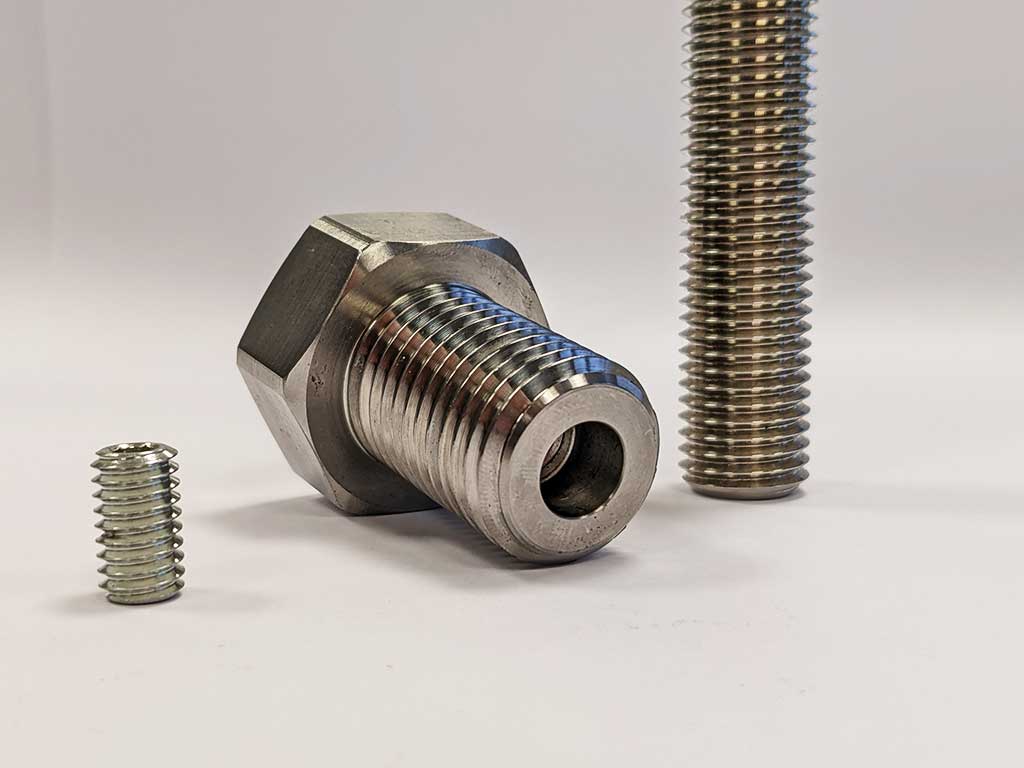
Last month, a driller we know in the GCC lost half a day on a simple soil investigation job. The rig was ready. The crew was ready. The borehole plan was perfect. Then the rods arrived, and nothing matched. The thread profile looked “close enough,” but the coupling would not seat. One wrong sub. Two rushed fixes. And suddenly, a routine shift turned into downtime, extra transport, and an uncomfortable call to the client.
That is the real cost of compatibility mistakes. It is rarely a big failure. It is a chain of small misfits that steal hours.
Why “almost matching” threads still fail
Most issues start with assumptions. A crew sees a familiar rod size and expects everything to connect. But thread form and tolerance matter more than “it fits in the hand.”
Here is what usually goes wrong:
- The thread type is different (form/profile mismatch).
- The pitch is close but not identical.
- The shoulder does not seat, so torque transfers poorly.
- The sub length changes alignment, creating wobble and wear.
When you manage drilling rig tools and equipment, you manage interfaces. If the interface is wrong, every downstream tool suffers.
Drill rig tools that must match perfectly
Some parts can be flexible. These cannot.
1) Rods, couplings, and adapters
Your rod string is the spine of the operation. A small mismatch here becomes vibration, thread galling, and stuck connections. Always confirm the exact thread standard before ordering rods or couplings, even if the outer diameter looks identical.
2) Subs and crossovers
Subs are where “quick fixes” become expensive habits. Many rigs end up carrying a random mix of crossovers, and crews start stacking them. The stack might connect, but it adds leverage, changes load paths, and creates weak points. If you use subs, standardize them and label them clearly.
3) Core barrels, overshoots, and wireline interfaces
Wireline components are less forgiving than they look. If your barrel and overshot pairing is not correct, you will see poor retrieval, damaged latches, and lost core time. This is where geotechnical drilling equipment quality and matching matter most, because your output is the sample.
How drilling rig equipment compatibility affects safety
Compatibility is not only a productivity issue. It is also a safety issue.
A poor thread seat can:
- Slip under load
- Throw torque back into the string
- Create sudden releases during breakout
- Increase manual handling risk when crews fight stuck joints
Good drilling rig equipment choices reduce the amount of “wrestling” the crew does on site. That is how you protect your hands, backs, and schedules.
A simple compatibility checklist crews can follow
Use this before every purchase, and again before mobilization.
- Confirm the thread type and pitch
Do not rely on memory or a vendor’s “equivalent.” Ask for the standard and verify it.
- Check shoulder style and make-up length
Two connections can thread in but still fail under torque if shoulders do not seat correctly.
- Match torque and load ratings
Adapters and subs must meet or exceed the working loads, not just “fit.”
- Standardize across the fleet
If you run multiple rigs, pick a standard where possible. The fewer variants you carry, the fewer mistakes happen.
- Label and store subs like critical spares
Treat subs as controlled items, not loose tools in a box.
This is the practical side of managing drilling rig tools and equipment. Small controls create big stability.
When misfits show up on site, do this first
If a connection feels tight too early, or seats inconsistently, stop. Do not force it. Forcing a mismatch can damage both sides and create a chain reaction of failures.
Instead:
- Clean and inspect threads for damage or debris
- Compare the part against a known correct sample
- Use a thread gauge if available
- Replace the suspect sub or coupling immediately
A clean swap is cheaper than a jammed string.
Conclusion
Tooling compatibility decides how smoothly a crew works, how clean the borehole output stays, and how much money gets burned on “small” delays. If you standardize thread types, control subs, and verify every interface, your drilling rig tools and equipment stop being a daily gamble and start acting like a system. If you want fewer costly misfits on site, build a simple compatibility standard, train crews to check it, and keep your drill rig tools inventory aligned with that standard.