
 By Allen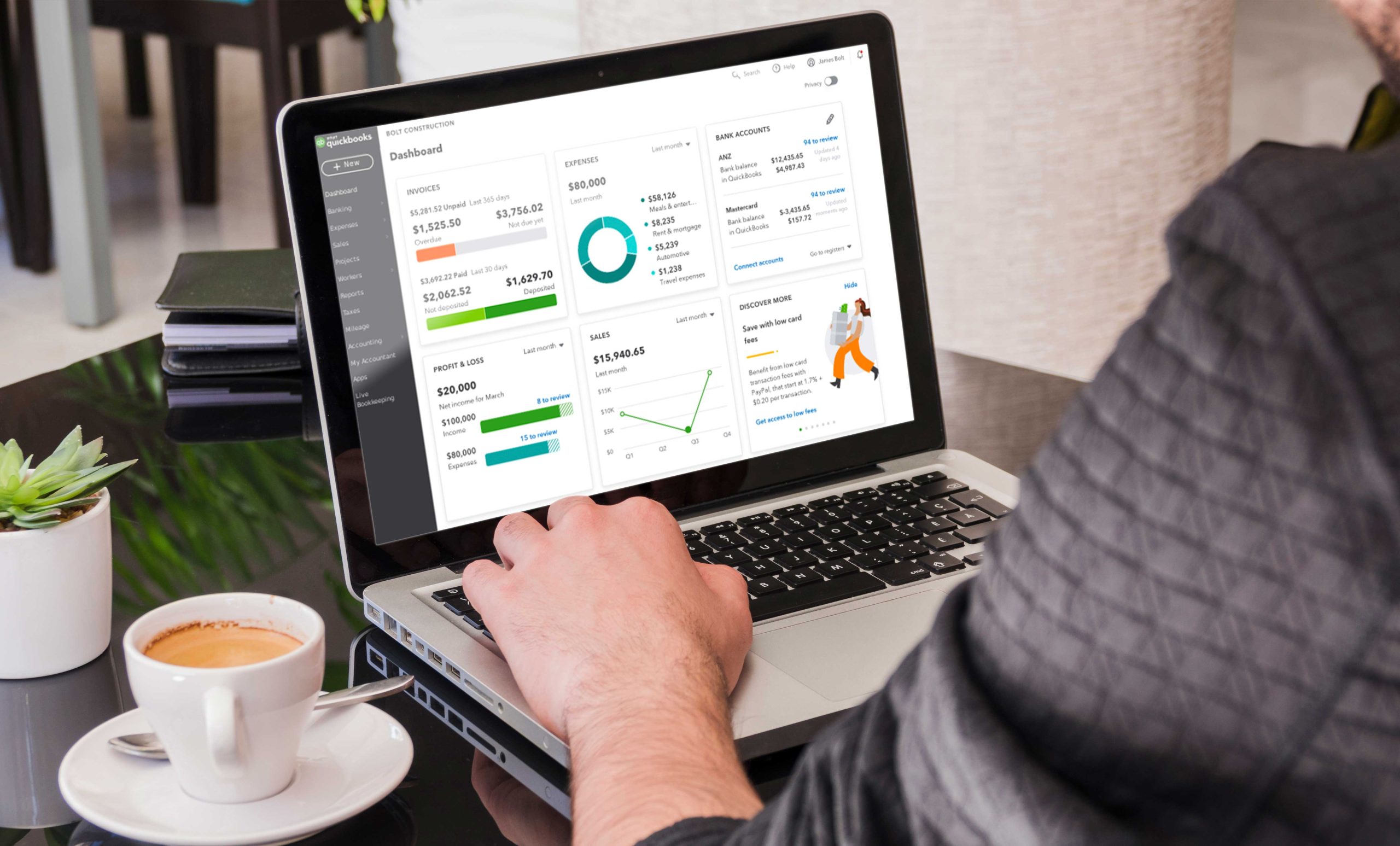
Have you ever noticed how quickly field service teams finish the work on-site, but how slowly the payment moves on the backend? A technician completes the job, the customer signs off, the vendor sends an invoice, and then everything suddenly slows down.
Why does this happen?
It turns out that behind every simple field function is a series of financial steps: multiple vendor invoices, manual data entry, document routing for approvals, work-order detail checking, and compliance. And when all of this is done manually, the result is predictable errors, delays, and a cash cycle that feels stuck.
This is why many global companies are now prioritizing financial automation. According to Statista, digital transformation across finance operations has become a top corporate priority for improving speed and accuracy.
For enterprise-level field service operations, the solution is clear: create a faster, more transparent, and more automated path from work order to payment. And that’s exactly where accounts payable automation becomes a game-changer.
Why Field Service Enterprises Struggle With Cash Flow
Field service depends on speed, but enterprise finance processes often don’t.
Here’s the typical scenario:
- A technician completes the work
- A vendor sends an invoice
- The AP team receives it late or in different formats
- Someone has to extract the data manually
- Approvals move across multiple teams
- Errors appear
- Invoices get stuck
- Payments get delayed
The workflow is long, disconnected, and prone to bottlenecks, and at enterprise scale, these bottlenecks multiply across hundreds of work orders every day.
Delayed payments not only affect vendor relationships but also slow down procurement, inventory availability, and customer service timelines, ultimately impacting cash flow across the board.
How Accounts Payable Automation Streamlines Field Service Cash Flow
Let’s break down how AP automation transforms the entire workflow from work order to payment.
-
Captures Invoices Instantly and Accurately
Enterprises typically receive invoices from their field partners, subcontractors, suppliers, or OEMs. Accounts payable automation processes invoices via OCR, AI, and pre-built validation rules, eliminating the need for manual entry and reducing errors, thereby speeding up the invoice approval process.
-
Creates Real-Time Visibility
With automation, finance leaders can see which work orders have pending invoices, which payments are due, and where approvals are stuck, all in one dashboard. This real-time view is crucial for accurate cash forecasting and effective resource planning.
-
Accelerates Approvals
Manual approval chains slow down even the strongest field-service operations.
AP automation sends invoices to the right approvers instantly, sends automated reminders, and ensures compliance with enterprise-level approval policies.
-
Ensures Accurate Matching
Automated 2-way/3-way matching connects:
- Work orders
- Purchase orders
- Goods receipts
- Invoices
This ensures payments only go out for completed and validated work, reducing disputes and leakage.
-
Builds a Standardized Audit Trail
Enterprise audits require precise documentation, and AP automation automatically maintains a complete trail for every invoice who approved it, when, and why.
The Enterprise Impact: Faster Payments, Stronger Cash Flow
When AP automation handles the financial backend, cash flow becomes more predictable.
Here’s the impact enterprises typically experience:
- Faster invoice processing cycles
- Reduced DSO (Days Sales Outstanding) and improved working capital
- Fewer vendor disputes
- Higher compliance accuracy
- Stronger vendor partnerships
- Greater field-service efficiency and customer satisfaction
By automating repetitive AP activity, enterprises save hundreds of hours each month, and the finance team finally gets the time to focus on planning, strategy, analysis, and forecasting.
Bringing Consistency Across Global Field Operations
When field operations span regions, states, or countries, it can be difficult for companies to maintain consistent accounts payable processes because of different pricing, vendors, or regulations.
AP automation seeks to standardize process workflows across:
- Unified global policies
- Consistent invoice formats
- Centralized dashboards
- Ultimately, a single source of truth for all AP data
That way, whether a work order is carried out in Mumbai or Melbourne, back-end accounts payable automation is always equally fast, compliant, and transparent.
What Enterprises Should Look For in an AP Automation Platform
When evaluating solutions, enterprise owners must ensure the technology supports:
1. Scalability across multiple locations
The system must handle thousands of invoices from multiple field-service sites without sacrificing performance.
2. AI-powered data extraction
The solution should cleverly extract invoice information accurately, even from formats that are complex or unstructured.
3. Strong compliance and audit controls
Enterprise-grade governance is accomplished with built-in audit trails, approval policies, and data logging.
4. Integration with ERP, FSM, and procurement systems
The platform should simply integrate with SAP, Oracle, MS Dynamics, or your field service management systems, whatever they may be.
5. Configurable approval workflows
Enterprises require flexible workflows that align with their internal policies and adapt as operations expand.
6. Vendor self-service portals
This helps vendors track invoice status, submit documents, and reduce dependency on AP teams.
Why AP Automation Is No Longer Optional for Field Service Enterprises
Field service organizations are under pressure to deliver faster, more predictable, and more profitable operations. But none of that is possible if the financial backend is still manual.
AP automation turns bottlenecks into opportunities:
- Work orders move smoothly to invoices
- Invoices get processed faster
- Approvals happen without delay
- Payments are predictable
- Cash flow becomes stronger
- Field operations run without interruption
Closing the Gap Between the Field and Finance
When enterprises invest heavily in field-service excellence, automation must support the financial processes that power it. Accounts payable automation connects every step of the process from work order to payment for a connected, on-time, and transparent process.
It creates a world where the business runs faster, vendors are happy, audits are simplified, and cash flow is continuously strengthened, enabling enterprise leaders to scale with confidence.