
 By George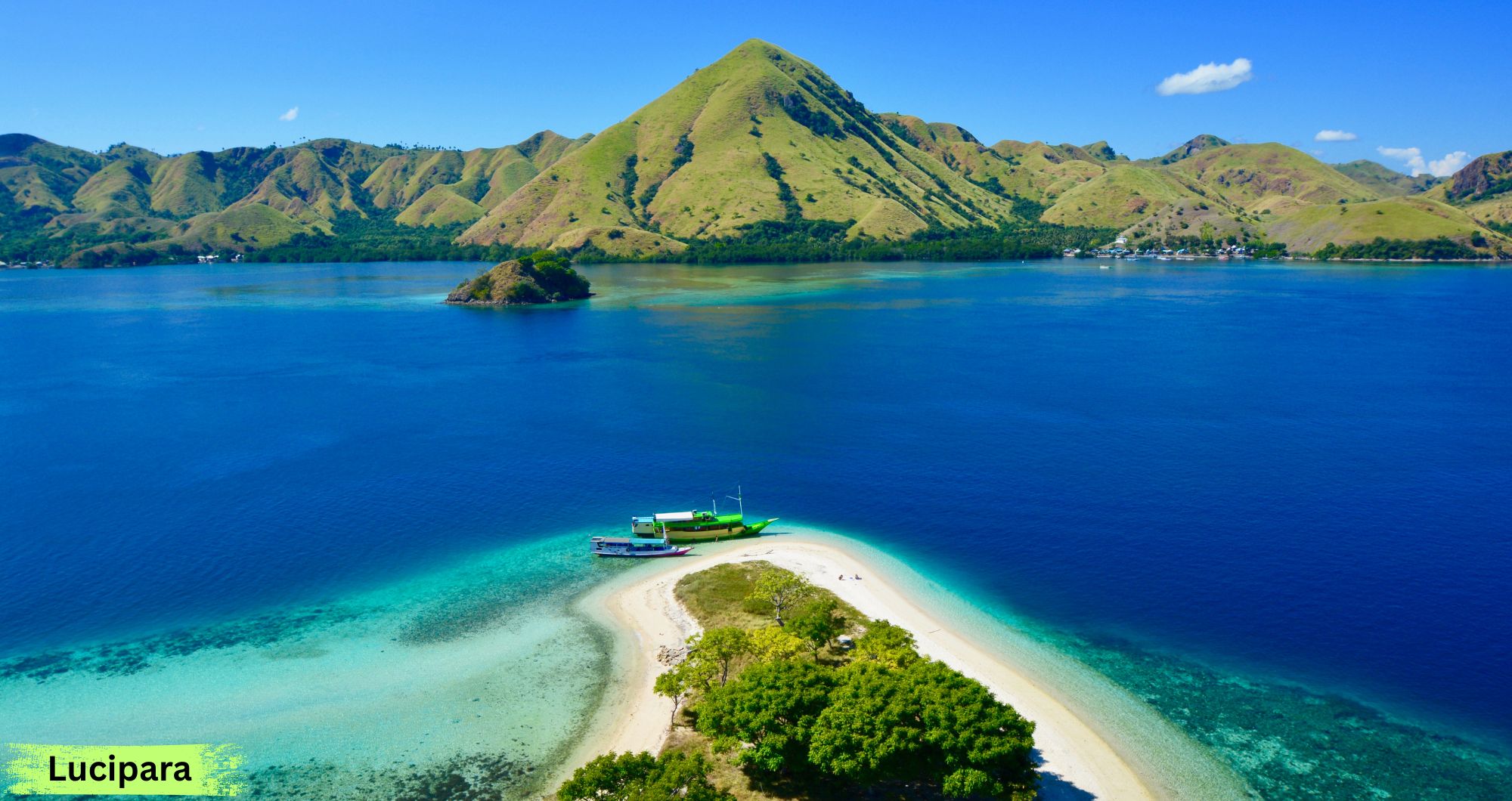
Introduction to the Lucipara Islands
The Lucipara Islands are a hidden gem in the vast expanse of the Banda Sea. These remote islands offer an untouched paradise for those seeking adventure and tranquility. With their pristine beaches, crystal-clear waters, and lush vegetation, they evoke feelings of wanderlust that few places can match.
Nestled away from bustling tourist trails, the Lucipara Islands promise a unique escape into nature’s embrace. Here, you can disconnect from the chaos of everyday life and immerse yourself in breathtaking landscapes teeming with wildlife. Whether you’re an avid diver or simply looking for serene beauty, these islands deliver experiences that linger long after you’ve left their shores.
Join us as we explore what makes Lucipara so captivating—from its geographic features to its rich marine biodiversity. Discover why this secluded destination should be on every traveler’s bucket list!
Geographic Location in the Banda Sea
The Lucipara Islands are an enchanting archipelago nestled in the Banda Sea, part of Indonesia’s Maluku province. This remote paradise consists of several small islands, each characterized by its unique beauty and charm.
Geographically, the islands lie east of Timor and west of Papua New Guinea. Their location places them amid some of the most biodiverse marine ecosystems on the planet. The surrounding waters teem with life, making it a coveted destination for adventurers and nature enthusiasts alike.
The island group is situated approximately 300 kilometers from Ambon, one of the main urban centers in Maluku. Despite their distance from major population hubs, they remain accessible to those who seek unspoiled natural beauty.
Lucipara’s coordinates position it strategically within traditional maritime routes that have been used for centuries. Fishermen and traders once frequented these waters due to their rich resources.
This seclusion has allowed the Lucipara Islands to maintain an aura of mystery while offering breathtaking landscapes formed through volcanic activity over millions of years. Its pristine beaches and crystal-clear waters provide a stunning backdrop for exploration as well as relaxation.
Physical Structure and Atoll Formation
The Lucipara Islands are a stunning example of atoll formation in the Banda Sea. This remote archipelago consists of several small, low-lying islands surrounded by vibrant coral reefs. These islands provide a glimpse into the fascinating geological processes that shape such unique environments.
Atolls like those found in Lucipara begin as volcanic formations. Over thousands of years, as the underwater volcano erodes and sinks, coral polyps start to colonize the rim. As these tiny creatures thrive and multiply, they build robust structures using calcium carbonate from seawater.
The result is a ring-shaped reef encircling a lagoon. In Lucipara’s case, this natural barrier protects diverse marine life while creating calm waters ideal for various species to flourish. The shallow lagoons teem with nutrients and serve as critical breeding grounds for fish.
Additionally, sedimentation plays an essential role in maintaining these ecosystems. Organic material from decaying plant life contributes to island formation over time—shaping both land and seascape in this breathtaking region.
Visitors often find themselves captivated by the lush greenery atop these islands. The juxtaposition of emerald landscapes against crystal-clear waters creates an idyllic setting that enhances their allure within this remote paradise.
Historical Significance and Early Records
The Lucipara Islands hold a unique place in the maritime history of Indonesia. Early records highlight their strategic significance within the Banda Sea, which has long been a vital route for seafarers and traders.
Explorers from various nations were drawn to these islands as they sought spices and resources. The islands served as waypoints for those navigating between major trade hubs of Southeast Asia, making them essential in historical trade routes.
European explorers documented their encounters with the islands starting in the 16th century. These accounts reveal interactions with indigenous communities who relied on marine resources for sustenance and livelihood.
Over time, Lucipara became part of colonial interests during the spice trade era. Its geographical position offered access to rich fishing grounds and agricultural lands that attracted settlers and merchants alike.
Today, remnants of this intriguing past can still be discovered through archaeological studies. Artifacts unearthed from these sites provide insights into early human activity on the islands, showcasing their enduring historical significance amidst rapidly changing environments.
Climate and Oceanographic Conditions
The climate of Lucipara Islands is characteristic of a tropical maritime environment. This means warm temperatures year-round, with minimal seasonal variation. Average daily temperatures typically hover around 27 to 30 degrees Celsius. Humidity levels can be high, contributing to the lush vegetation that thrives in this paradise.
Rainfall patterns are influenced by distinct wet and dry seasons. The rainy season usually occurs from December through March, during which heavy downpours enrich the islands’ ecosystems. Conversely, the dry months allow for clearer skies and calmer seas, making it an ideal time for marine exploration.
Oceanographically, Lucipara lies within a dynamic region affected by various currents in the Banda Sea. These currents play a significant role in nutrient distribution across marine habitats surrounding the islands. They also influence water temperature and salinity levels vital for sustaining diverse aquatic life.
Additionally, sea surface temperatures in this area generally range between 26 to 29 degrees Celsius throughout most of the year. Warmer waters foster coral growth while attracting numerous fish species essential for local biodiversity.
These unique climatic conditions make Lucipara not only beautiful but also ecologically significant as they support rich marine ecosystems teeming with life.
Marine Biodiversity of the Lucipara Region
The Lucipara Islands are a hidden gem in the Banda Sea, boasting incredible marine biodiversity. This remote paradise is home to an array of species that thrive in its pristine waters. The unique ecosystem supports both coral reefs and rich pelagic environments.
Coral reefs around Lucipara provide essential habitat for countless fish species. These vibrant underwater gardens showcase a stunning variety of colors and forms, acting as critical nurseries for juvenile fish. They also contribute to the overall health of the marine environment by supporting various life stages.
The waters surrounding Lucipara attract many migratory species due to their nutrient-rich conditions. Plankton blooms support larger predators like reef sharks and barracuda, creating a dynamic food web that sustains diverse fauna.
Furthermore, these islands serve as important breeding grounds for endangered sea turtles. Green and hawksbill turtles can often be observed nesting along sandy shores during specific seasons.
Birdlife is equally abundant here, with several seabird colonies found on rocky outcrops nearby. Species such as frigatebirds and booby birds thrive in this untouched sanctuary, contributing further to the region’s ecological richness.
Blue Whales and Other Cetaceans
The Lucipara Islands are part of an extraordinary marine ecosystem that attracts various cetaceans, including the majestic blue whale. These colossal creatures can reach lengths up to 100 feet and weigh as much as 200 tons. Their presence in these waters underscores the importance of this region for marine life.
Blue whales migrate through the Banda Sea during feeding season, drawn by abundant krill populations. The nutrient-rich waters support not only their survival but also that of smaller cetaceans like dolphins and pilot whales. Observing these magnificent animals is a dream come true for wildlife enthusiasts.
In addition to blue whales, the Lucipara region hosts several species of dolphins, such as spinner and bottlenose dolphins. Their playful behaviors captivate visitors lucky enough to encounter them while exploring local waters.
Pilot whales are also common in this area, often found in pods displaying complex social structures. This diversity illustrates how vital the Lucipara Islands are for maintaining healthy dolphin and whale populations.
Conservation efforts remain crucial to protect these enchanting creatures from threats such as climate change and habitat degradation. Preserving their natural habitat ensures that future generations continue to marvel at their beauty in this remote paradise.
Coral Reefs and Reef Fish Communities
The Lucipara Islands boast vibrant coral reefs that are vital to the marine ecosystem. These reefs thrive in the warm, clear waters of the Banda Sea, providing a habitat for countless species. The intricate structures formed by corals create sheltered environments essential for many aquatic organisms.
Coral species here include both hard and soft varieties, contributing to the diverse underwater landscapes. These formations act as natural barriers against strong waves and erosion, ensuring stability within this delicate ecosystem. They also provide crucial breeding grounds for various fish populations.
Reef fish communities around Lucipara are rich in diversity. Colorful parrotfish and lively clownfish often dart among anemones and coral branches. This biodiversity is not just visually stunning; it plays a significant role in maintaining ecological balance.
Moreover, these fish serve important roles within their habitats. Herbivorous species help control algae growth on corals while carnivorous fish maintain population dynamics among smaller prey species. Each member of this underwater community contributes to the health of the reef systems.
Exploring these reefs offers insights into nature’s resilience and beauty while highlighting their importance in sustaining marine life around Lucipara Islands.
Sea Turtles and Seabird Life
Lucipara Islands offer a unique habitat for various species of sea turtles. These ancient mariners are often seen gliding gracefully through the warm waters surrounding the islands. Green and hawksbill turtles are among the most notable residents, drawn to the rich marine environment.
The nesting season is particularly special, as female turtles return to sandy beaches to lay their eggs. Nesting typically occurs during late spring and summer months when conditions are optimal for hatchlings. The sight of tiny turtles making their way back to the ocean is both enchanting and vital for maintaining population numbers.
Seabirds also thrive in this remote paradise. Species such as frigatebirds, terns, and booby birds frequent the skies above Lucipara Islands. They rely on both land and sea for sustenance, feeding on fish while diving or scavenging along coastal edges.
The interaction between these two groups—sea turtles and seabirds—is fascinating. Both play important roles in maintaining ecological balance within their habitats by contributing nutrients through their waste products.
Protecting these species ensures that future generations can witness this beautiful interplay of life in one of nature’s untouched corners: Lucipara Islands.
Human Activity and Current Inhabitability
The Lucipara Islands, while stunning and remote, have seen limited human activity. Due to their isolated location in the Banda Sea, these islands remain largely untouched by mainstream tourism. The lack of infrastructure makes it challenging for large groups to visit.
Local fishermen occasionally venture into the region. They rely on traditional methods to catch fish and other marine resources. Their presence is minimal compared to more populated areas nearby.
There are no permanent residents on the islands. This absence results from several factors: harsh environmental conditions, limited freshwater sources, and a scarcity of arable land. These challenges deter long-term settlement.
Occasional visits do occur for research purposes or ecological surveys. Scientists study the unique biodiversity of the area, leading to an increased understanding of this fragile ecosystem’s dynamics.
Due to both natural barriers and strict regulations aimed at preserving its ecology, human impact remains minimal here. As a result, Lucipara serves as an essential refuge for wildlife while providing invaluable opportunities for scientific exploration.
Conservation Value and Ecological Importance
The Lucipara Islands hold remarkable conservation value and ecological importance. This remote paradise is a sanctuary for an array of marine species, making it a key area for biodiversity.
The coral reefs surrounding the islands are not just stunning; they act as crucial habitats for various marine organisms. These reefs support vibrant communities of reef fish, which in turn sustain larger predators and contribute to the overall health of the ocean ecosystem.
Additionally, the region serves as a critical habitat for sea turtles that come ashore to nest on its sandy beaches. The presence of seabirds further highlights Lucipara’s rich ecological tapestry—these birds rely on both land and sea resources, showcasing how interconnected these ecosystems truly are.
Human activities pose threats to this pristine environment; therefore, understanding its ecological significance is vital for effective conservation efforts. Sustainable practices must be implemented to protect this natural wonder from overfishing and pollution.
Efforts toward preservation can help maintain the delicate balance within this unique marine landscape while ensuring that future generations can experience its beauty firsthand. Protecting the Lucipara Islands means safeguarding not only their breathtaking scenery but also their invaluable role in regional biodiversity and climate regulation.