
 By Allen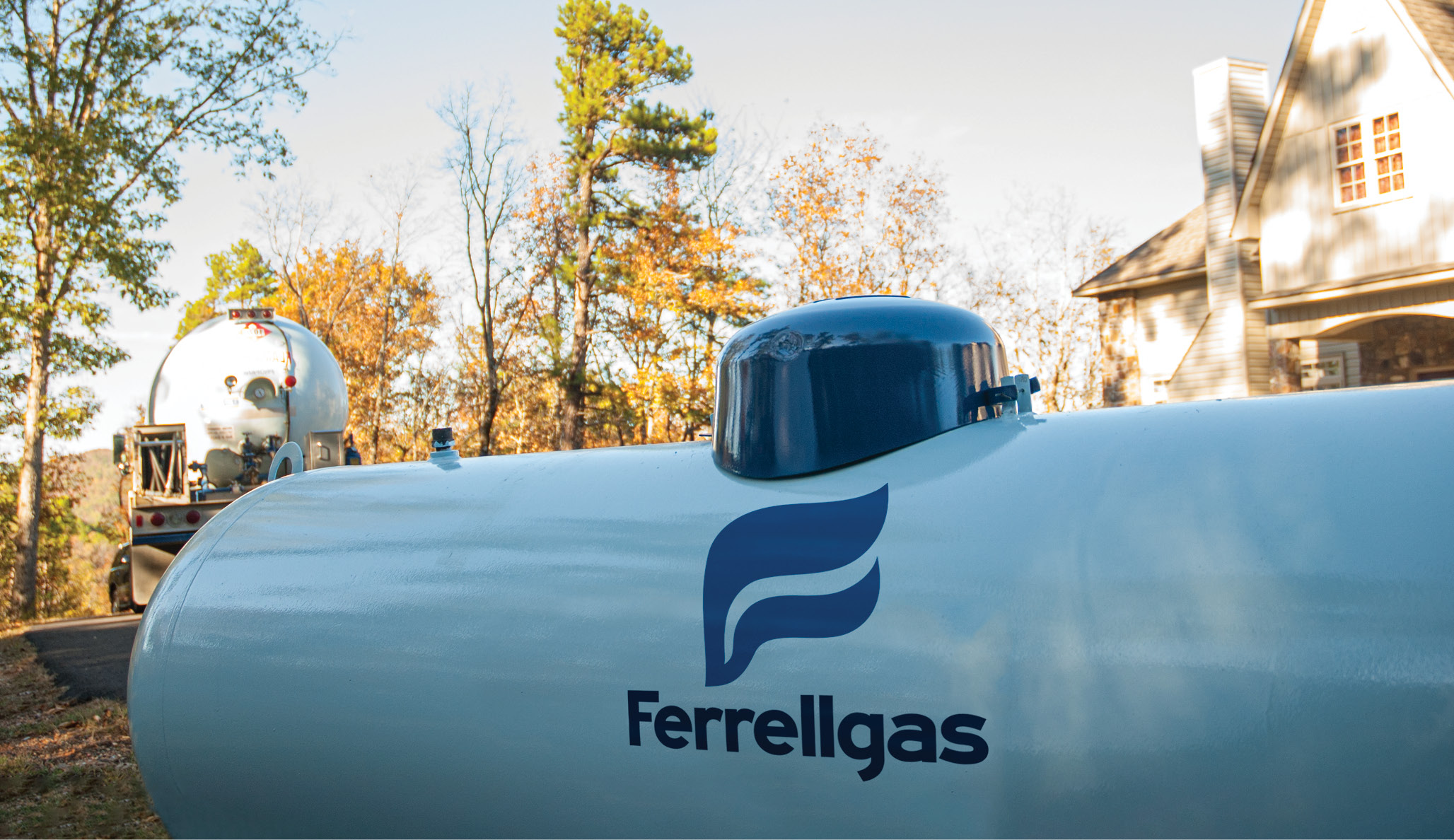
When energy works, nobody notices. Lights turn on. Homes stay warm. Meals get cooked. But when energy fails—or costs spike—people start asking hard questions. Is electricity always the best choice? Is natural gas the only reliable option? Or is there another path worth considering?
For many households and businesses, propane companies quietly answer those questions every day. Propane doesn’t rely on long pipelines or crowded power grids. It arrives when needed, gets stored on-site, and works even when everything else goes dark. That reliability makes many people wonder: are propane companies a practical alternative to electric or natural gas providers?
The short answer is yes—for the right situations. The long answer depends on location, lifestyle, and energy priorities. Let’s break it down in a way that actually makes sense.
Understanding Propane and How It Works
What propane actually is
Propane is a fuel created during natural gas processing and oil refining. It is stored as a liquid but turns into gas when released. That simple trait makes propane powerful. It can be moved, stored, and used almost anywhere.
Because it doesn’t depend on pipelines, propane companies can serve homes far beyond city limits.
Where propane fits into daily life
Propane fuels home heating systems, water heaters, stoves, clothes dryers, fireplaces, and generators. Outside the home, it powers farms, warehouses, construction sites, and fleet vehicles.
It shows up wherever dependable energy is needed without waiting for infrastructure.
Comparing Energy Infrastructure Options
How electricity really reaches your home
Electric power comes from power plants connected through miles of transmission lines. This system works well—until storms, heat waves, or overloads hit.
When the grid fails, electric heating, cooking, and water systems stop immediately.
How natural gas is delivered
Natural gas moves through underground pipelines. In cities, this system is efficient and reliable. Outside urban areas, pipeline access drops fast.
Extending gas lines can cost thousands and take years.
How propane delivery works
Propane companies deliver fuel directly to on-site tanks. Once the tank is filled, the home has energy—no grid, no pipeline, no waiting.
Energy becomes something you store, not something you hope stays available.
Reliability and Energy Independence
What happens during outages
Electric grids fail more often than people realize. Ice storms, hurricanes, wildfires, and even high demand can cause outages.
Propane systems keep working because fuel is already on the property.
Propane during emergencies
Homes with propane heat or generators often remain warm and functional while surrounding areas lose power. Refrigerators run. Medical equipment stays on. Lights come back faster.
Propane companies often plan deliveries around extreme weather, making emergency access more reliable.
Control over your own energy
With propane, energy isn’t controlled by distant infrastructure. It’s local. It’s visible. It’s manageable.
That sense of control matters more every year.
Cost Considerations and Budget Planning
Electricity costs and uncertainty
Electric bills rise during peak seasons. Rates change based on demand, fuel costs, and grid upgrades.
Many homeowners feel stuck with unpredictable pricing.
Natural gas pricing realities
Natural gas is often cheaper than electricity, but pricing still fluctuates. Fees, minimum charges, and infrastructure costs add up.
Access isn’t guaranteed everywhere.
How propane pricing works
Propane pricing is usage-based. While prices can shift seasonally, users can plan deliveries, monitor tank levels, and manage consumption.
Many propane companies offer budget plans that smooth costs across the year.
Energy Efficiency and Performance
Heating power comparison
Propane delivers strong, fast heat. Propane furnaces and water heaters warm spaces and water quickly.
Electric systems often take longer to reach the same comfort level.
Cooking and appliance performance
Propane cooking offers instant heat control. That responsiveness is hard to match.
For many users, performance matters as much as cost.
Fuel efficiency benefits
Propane appliances often use less energy to deliver the same output. That efficiency can balance fuel pricing over time.
Comfort comes faster with less waste.
Environmental Impact and Emissions
Propane as a clean-burning fuel
Propane burns cleaner than many fossil fuels. It produces fewer greenhouse gas emissions and less particulate matter.
The Environmental Protection Agency (EPA) recognizes propane as a low-emission energy source.
Comparing propane and electricity emissions
Electricity emissions depend on how power is generated. Coal-based grids increase pollution. Renewable grids reduce it.
Propane emissions stay consistent regardless of region.
Natural gas tradeoffs
Natural gas burns clean but can leak methane during extraction and transport. Methane has a high climate impact.
Propane carries lower methane leakage risk.
Propane for Rural and Off-Grid Living
Energy access beyond cities
Many rural homes lack access to natural gas and face unstable electric service. Infrastructure expansion is slow and expensive.
Propane companies provide immediate energy access through delivery.
Supporting off-grid lifestyles
Off-grid homes often pair propane with solar systems. Solar handles daily power. Propane handles heating and backup.
This combination improves reliability without full grid dependence.
Agricultural and farm applications
Propane supports grain drying, greenhouse heating, and livestock care. Farms rely on propane during seasonal peaks.
Few fuels match propane’s flexibility in agriculture.
Safety Standards and Regulation
Built-in safety systems
Propane tanks are built to handle pressure and weather. Valves shut off flow automatically if problems occur.
Propane companies follow safety rules set by the National Fire Protection Association (NFPA).
Inspections and monitoring
Regular inspections ensure tanks and connections stay secure. Safety education is a core part of propane service.
When systems are maintained, propane safety records are strong.
Comparing safety across fuels
Electric systems risk wiring fires. Natural gas leaks can cause explosions. Propane systems require proper handling but are stable and predictable.
Every energy source demands responsibility.
Installation and Setup Flexibility
Faster system setup
Propane systems don’t need utility approval or pipeline access. Tanks can be installed above or below ground.
This speeds up construction and renovation projects.
Fewer infrastructure limits
Electric upgrades may require panel changes. Gas lines depend on municipal access.
Propane avoids both constraints.
Planning for future expansion
Need more appliances later? Add tank capacity or schedule deliveries.
Propane systems grow with demand.
Backup Power and Emergency Readiness
Propane generators explained
Propane-powered generators start quickly and run clean. Fuel doesn’t degrade like gasoline.
This makes propane ideal for standby power.
Longer runtimes during outages
Stored propane allows generators to run for days, not hours. Heating, cooling, and refrigeration continue.
That reliability brings peace of mind.
Community resilience benefits
In outage-prone regions, propane systems reduce strain on public infrastructure.
Resilience improves at both household and community levels.
Lifestyle and Practical Advantages
Comfort and usability
Propane heat feels warm and steady. Cooking feels precise and responsive.
Small comfort details influence daily satisfaction.
Outdoor and recreational uses
Propane fuels grills, patio heaters, RVs, and outdoor kitchens. It supports both work and leisure.
Few fuels are this versatile.
Seasonal adaptability
Propane use rises in winter and drops in summer without system changes.
That flexibility supports year-round planning.
Long-Term Value and Energy Strategy
Energy diversification matters
Relying on a single energy source increases risk. Propane adds balance.
Diversification strengthens long-term energy planning.
Working with renewable energy
Propane complements solar and wind as backup fuel. Hybrid systems are becoming common.
This supports cleaner energy goals.
Recognition by energy authorities
Groups like the U.S. Department of Energy recognize propane’s role in resilience and rural access.
Its relevance continues to grow.
Conclusion
So, are propane companies a practical alternative to electric or natural gas providers? In many cases, absolutely. Propane offers something centralized utilities often can’t—control, flexibility, and reliability. It works where pipelines stop, where grids fail, and where energy independence matters most.
Supported by safety standards from the National Fire Protection Association and environmental recognition from the Environmental Protection Agency, propane continues to prove its value. It heats homes, powers businesses, supports agriculture, and keeps systems running when others go down.
Electricity and natural gas still serve important roles. But for many people, propane companies provide a dependable, adaptable, and practical energy alternative—one that fits real-world needs instead of forcing them to wait for infrastructure to catch up.