
 By George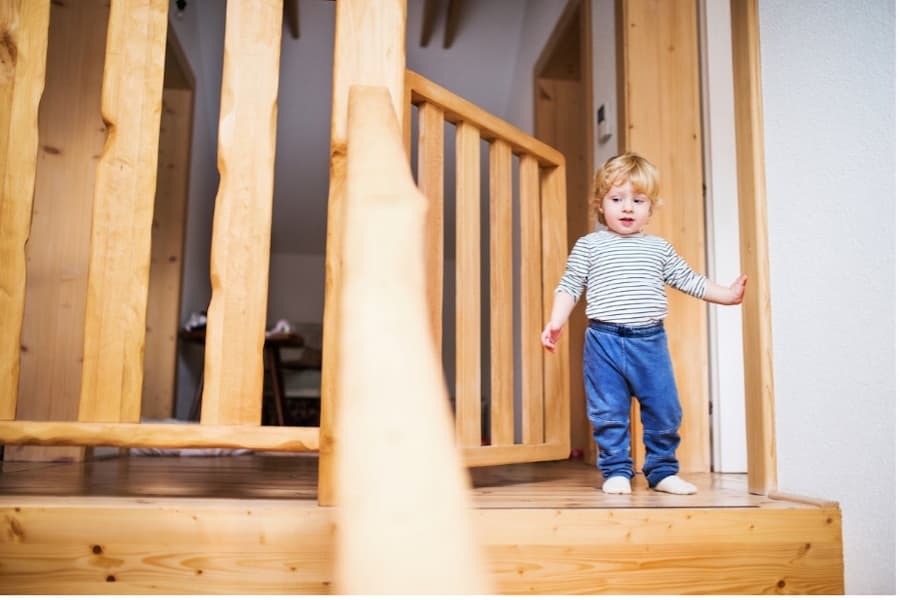
Toddlers are natural explorers. One minute they are happily stacking blocks on the floor, and the next they are crawling, climbing, and testing their limits. For many parents, stairs quickly become one of the biggest worries in the home. A staircase can look like an exciting challenge to a toddler, but it can also be one of the most dangerous areas if it is not set up safely.
The good news is that you do not need to turn your home upside down to make stairs safer. With the right barriers, a few smart upgrades, and some simple habits, you can greatly reduce the risk of falls. This guide walks you through practical and proven ways to make staircases safer for toddlers who are learning to explore the world around them.
Why Stair Safety Matters for Toddlers
Toddlers are still developing balance, coordination, and depth awareness. They often move faster than they can safely control, especially when something catches their interest. Stairs add another challenge because each step requires controlled movement and good footing, skills that young children are still learning.
Falls on stairs are one of the most common causes of injuries in toddlers at home. Even a short staircase can lead to bumps, bruises, or worse. By putting safety measures in place early, you give your child the freedom to explore while keeping serious risks to a minimum.
Start With the Basics: Barriers and Boundaries
Choose the Right Stair Safety Gates
Safety gates are one of the most effective tools for protecting toddlers from stair accidents. They create a clear boundary and prevent unsupervised access to dangerous areas.
When choosing gates, it is important to use ones designed specifically for stair use. Hardware-mounted gates are usually recommended for the top of stairs because they are securely fixed to the wall and cannot be pushed loose. Pressure-mounted gates can work well at the bottom of stairs or in doorways, but they should not be used at the top where a fall risk is higher.
High-quality childproof gates for stairs can make a big difference in everyday safety. Options like those available at First Steps Safe Steps are designed to be sturdy, reliable, and easy for adults to use while staying secure against curious little hands.
Where to Place Safety Gates
Placement matters just as much as the gate itself. Gates should be installed at the top of the stairs to block access entirely. Many families also place a gate at the bottom of the stairs to prevent toddlers from climbing up without supervision.
Make sure the gate fits the space properly and closes securely every time. A gate left open, even briefly, removes its purpose. Getting into the habit of closing it behind you is a small step that goes a long way.
Beyond Gates: Making the Entire Stairway Safer
Secure Handrails and Balustrades
Handrails are not just for adults. Toddlers learning to walk up and down stairs benefit from having something solid to hold onto. Check that your handrails are firmly attached and do not wobble.
If possible, consider adding a lower handrail that is easier for a small child to reach. Also check the spacing between balustrades or rails. Gaps should be narrow enough so a toddler cannot squeeze through or get their head stuck.
Improve Footing With Non-Slip Surfaces
Slippery steps are a common cause of falls. Smooth wood or tiled stairs may look nice, but they can be risky for little feet. Non-slip stair treads, carpet runners, or textured strips can improve grip and reduce slipping.
Choose materials that are securely attached and easy to clean. Loose mats or poorly fitted runners can become hazards themselves, so proper installation is key.
Remove Clutter and Tripping Hazards
Stairs should never double as storage space. Toys, shoes, laundry baskets, or bags left on steps increase the chance of a fall for both toddlers and adults.
Make it a habit to keep stairs clear at all times. A quick check before bedtime or during cleanup can help prevent accidents later.
Lighting and Visibility
Good lighting helps toddlers see where they are stepping. Dark or shadowy staircases make it harder for them to judge each step.
Ensure stair lights are bright and working properly. Night lights can also help if your toddler wakes up early or moves around during low-light hours.
Teaching Toddlers Safe Stair Habits
Supervised Practice
While barriers are essential, toddlers also need to learn how to use stairs safely. When you are present, practice walking up and down together. Hold your child’s hand and move slowly, showing them how to place one foot at a time.
This supervised practice builds confidence and teaches body control in a safe way.
Establish Simple Rules
Toddlers understand simple, repeated instructions. Teach basic rules such as holding the handrail, sitting and sliding down if needed, or waiting for an adult before using the stairs.
Consistency matters. When rules stay the same, toddlers learn what is expected and what is off-limits.
Transitional Tips as Your Child Grows
When to Adjust or Remove Gates
As children grow, their skills and understanding improve. Some parents choose to keep gates longer, while others remove them once a child shows good balance and follows stair rules reliably.
There is no single right time. Watch your child’s behavior, not just their age. If you remove a gate, continue supervising and reinforcing safe habits.
Long-Term Safety Features to Keep
Even after gates are gone, many safety features remain useful. Non-slip steps, secure handrails, and good lighting benefit everyone in the household, including guests and older family members.
Quick Stair Safety Checklist
- Install secure gates at the top and bottom of stairs
- Use hardware-mounted gates where needed
- Keep stairs free of toys and clutter
- Add non-slip surfaces to each step
- Check that handrails are sturdy and easy to reach
- Ensure good lighting at all times
- Practice stair use with your toddler regularly
Conclusion
Making staircases safer for toddlers does not require extreme changes, but it does require attention and consistency. By combining physical barriers, thoughtful upgrades, and simple teaching moments, you create an environment where your child can explore with fewer risks.
Stair safety is not a one-time task. Regularly check gates, surfaces, and habits as your toddler grows. A few careful choices today can prevent serious accidents tomorrow and give you greater peace of mind as your little explorer continues to learn and grow.