
 By Khizar Seo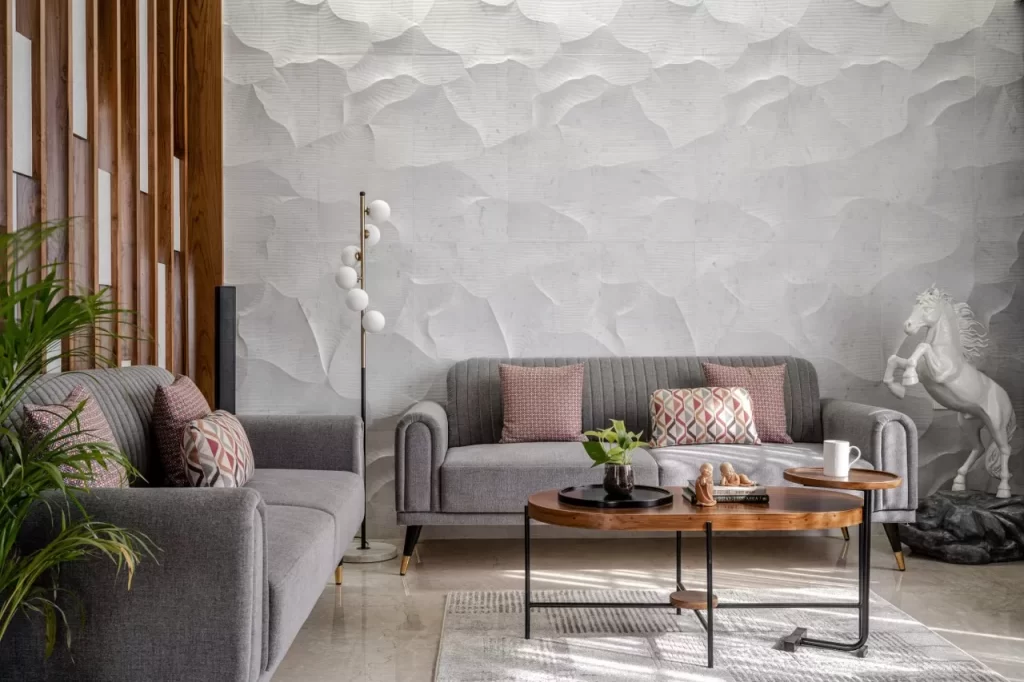
A fresh wall finish can change a room faster than new furniture or expensive decor. Wall textures add depth, hide minor flaws, and give character without a major renovation. Below are simple, stylish texture paint ideas you can use right away — each one explained in plain language so you can try it yourself or brief a painter with confidence.
If you’re considering wall texture paint as an upgrade, start by thinking about the room’s purpose and light. Cozy spaces like bedrooms or dens benefit from softer, tactile finishes. High-traffic rooms such as hallways and kitchens need tougher, easier-to-clean textures. With the right choice, texture becomes both practical and beautiful.
1. Smooth Venetian Plaster — Elegant, subtle depth
Venetian plaster looks like polished stone with a soft sheen. It’s made from fine plaster layers, applied thinly and burnished. The result is a slightly glossy, marble-like surface that feels luxurious but not showy. Use muted tones — warm beige, soft gray, or dusty rose — to keep it calm and timeless.
How to do it: Apply two to three thin coats with a steel trowel, then rub gently to bring out the sheen. It’s best for accent walls, dining rooms, or a master bedroom.
2. Sand-Texture Paint — Durable and forgiving
Sand-texture paint contains fine granules that create a subtle, tactile finish. It hides small dents and is forgiving when walls aren’t perfectly flat. This texture works well in entryways, family rooms, and play areas.
How to do it: Buy pre-mixed sand paint or add fine sand to exterior or interior paint. Roll on with a thick-nap roller, keeping strokes even. Topcoat with a clear sealer for easier cleaning.
3. Knockdown Texture — Modern rustic feel
Knockdown creates soft, flattened peaks that catch light and shadow. It’s popular in modern farmhouse and industrial interiors for its casual, handcrafted look.
How to do it: Spray or roll a joint compound mixture, let it set briefly, then drag a wide putty knife over the surface to “knock down” the peaks. Paint over in a favorite color for a polished finish.
4. Skip Trowel — Soft, artistic texture
Skip trowel is achieved by skipping a trowel across thin joint compound so parts of the base layer show through. The pattern is irregular, giving walls a calm, artistic vibe without being loud.
How to do it: Use tinted compound close to the final paint color, then finish with a light glaze if you want more depth. Great for living rooms and dining areas.
5. Metallic Glaze — Subtle shimmer, big impact
A metallic glaze adds a soft, reflective layer that changes with light. It’s excellent for a feature wall, behind a bed, or in a powder room. Choose bronze, pewter, or soft gold for warmth without being gaudy.
How to do it: Apply a base color, then brush on a thin metallic glaze with a wide brush or rag. Work in sections to keep the glaze consistent.
6. Stippled Paint — Classic and practical
Stippling uses a brush or roller to create a dotted texture. It’s simple, hides imperfections, and is budget-friendly. Stippled finishes suit ceilings, family rooms, and older homes where walls have seen better days.
How to do it: Use a stippling brush or foam roller and dab the paint lightly across the wall. Practice on a board first to find a pattern you like.
7. Fabric-Effect Finish — Soft, cozy luxury
This technique mimics woven fabric, lending a room a textile-like warmth without actual fabric. It’s perfect for bedrooms, reading nooks, or boutique-style spaces.
How to do it: Apply a tinted glaze over a base coat and drag a wide brush or comb lightly to create fine striations. Layer subtly — less is more.
8. Brick or Stone Faux — Rustic charm, simple install
A faux brick or stone finish can give a room old-world charm without demolition. Using textured paint and stencils, you can imitate masonry with much less cost.
How to do it: Start with a textured base coat, use a stencil for the pattern, and highlight edges with a dry brush to mimic mortar and weathering.
Quick tips before you start
- Test first. Always try a small patch on the wall or a board. Light and room size affect how a texture looks.
- Match sheen to need. Matte hides flaws, satin is forgiving and wash-friendly, gloss is durable but shows bumps.
- Tool choice matters. Rollers, trowels, brushes, and rags each make different marks — pick the tool that matches the look you want.
- Layer for depth. Two thin layers look better than one thick one. Subtle color variation in layers creates richness.
- Keep maintenance in mind. Textured walls can collect dust. Choose washable finishes in busy rooms.
Final thought
Wall texture paint is one of the fastest ways to change a room’s mood. Whether you want the quiet elegance of Venetian plaster, the homey warmth of a fabric-effect finish, or the rugged appeal of faux stone, there’s a texture that fits your style and budget. Start small with an accent wall if you’re unsure — it’s low risk and high reward. With a bit of planning and the right technique, your walls will stop being just a backdrop and start acting like the main character.